
Tesla CEO Elon Musk unveiled a flying Roadster prototype on 15 October 2026 at a SpaceX site in McGregor, Texas. The vehicle accelerates to 60 mph in 0.81 seconds and exceeds 370 km/h, with a range of 480 km. Production starts in 2028, while road-legal specs differ from 2017 claims.

Apple delays iPhone Duo online preorders to 2027 due to manufacturing failures, though in-store availability remains October 23rd. The device features a 7.6-inch screen and two 48-megapixel cameras, starting at $1,999 for the 256GB model. Carriers schedule December deliveries instead of the original Friday window. John Ternus became chief executive on 1 September.
On October 16, 2026, Apple updates App Store rules to ban apps containing nonconsensual intimate imagery generated by AI. The updated 1.2 rule targets specific creators like Grok, while Section 5 extends bans to alternative app distribution channels. Over 150K apps prevented from reaching customers last year and 193K developer accounts terminated for fraud previously.

Apple launches the iPhone Duo, its first foldable smartphone, starting at $1,999 for 256GB storage. Pre-orders open October 16 with launch-day delivery on October 23. Mint Technology reports India pre-orders start October 16, 2026, at 5:30 PM IST, costing ₹299,900 for the 256GB model. Device powered by A20 Pro chip. Touch ID replaces Face ID for biometric authentication.
Suspected Chinese group Armory Castle exploited BeyondTrust zero-day CVE-2026-102764 on August 29. The flaw, with a CVSS score of 9.3, affects Remote Support versions up to 26.2.3. BeyondTrust released a patch on October 8 after Mandiant tipped them off. Attackers used custom malware called Sawfly and Bareclaw. Group has been active since October 2023.
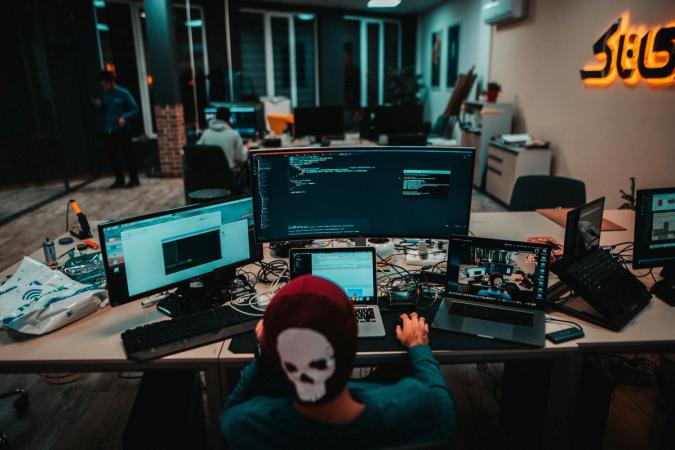
Chainalysis reports a crypto scammer lost more than $4.9 million in bitcoin after thieves compromised Ledger hardware wallets sold by Southeast Asian reseller CryptoBilis. The fraudster transferred proceeds from a task scam to three wallet addresses, which attackers emptied, taking 60 BTC. Chainalysis identified the perpetrator on Thursday. Thieves previously drained over $103.4 million from 530 addresses.

Meta CEO Mark Zuckerberg plans to spend $100 billion to $200 billion on artificial intelligence by 2026, nearly doubling the $72.2 billion spent last year. The company paid $14.3 billion for a 49% stake in Scale AI to hire Alexandr Wang as chief AI officer, aiming to build a core team of fewer than 200 researchers.

Taiwan expands export controls to include AI servers and latest chips, aligning with U.S. trade bans. Smugglers face up to five years in prison and fines of around $92,500 under the Foreign Trade Act. This move follows a trade deal signed earlier this year where the U.S. cut tariffs on Taiwanese goods to 15%.

Cybersecurity researchers discovered the malicious npm package 'imgdecode' on September 30, 2026, which hides a shellcode loader in a Windows native addon. Uploaded by user malfexteste8, the package was downloaded 979 times and remains available. It decrypts encrypted shellcode from GitHub and injects it into a new dllhost.exe process, targeting Windows systems as part of the MALFEX campaign.
CoreWeave CEO Michael Intrator and linked entities sold nearly $1 billion of stock since the AI cloud company's IPO in March 2025. Sales began about two months after the stock hit a record high in June 2025. CoreWeave had a valuation of $38.44 billion as of Thursday's close.
Gartner stated on 14 October that more than $3.5tn of AI infrastructure spending faces write-down risk by 2030 if providers maintain current pace. Analysts predict neoclouds will stop operating independently by 2030 due to cost pressure and lack of distinct business models.
Berkshire Hathaway invested over $900 million in Bending Spoons, including a $330 million stake disclosed Wednesday. This capital injection follows the Milan-based firm's acquisition of Airtable for about $1.3 billion and Miro for $1.36 billion.
Citizen Lab reports that Israeli ad firm Discover-Tech served malicious ads via its Controlium platform, infecting at least 45 Al Jazeera devices between 2024 and 2025. The operation exposed four billion ad bid records across nearly 200,000 websites.

The International Bureau of Weights and Measurements announced on Thursday that it will stop issuing leap seconds in May 2027. This decision ends a decades-long debate and prevents potential system failures caused by a negative leap second, which could occur as early as 2029 due to climate change.

Morgan Stanley reports a 32-gigawatt US data-centre power shortfall through 2028, representing 34 per cent of projected requirements. The firm estimates major tech companies could capture 94 per cent of global capacity additions in 2026, potentially squeezing out smaller developers and delaying chip deployments.
Summaries by ByteBrief