6 stories in the last 7 days
The latest money laundering news, distilled by AI into sharp ~100-word summaries. ByteBrief tracks money laundering across dozens of tech sources and brings you only what matters, updated hourly. Tap any story for the full brief, or open the original source.
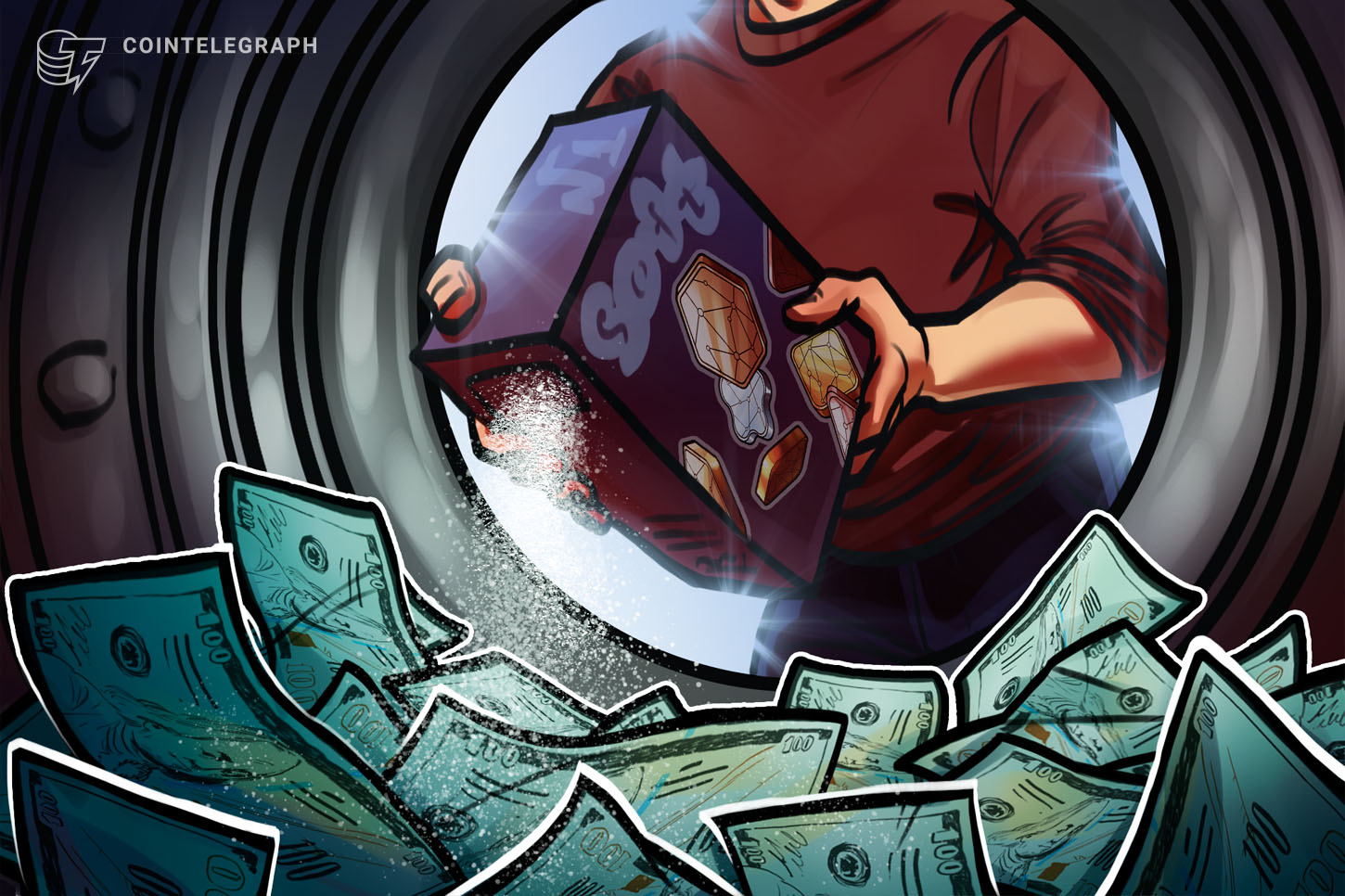
An unknown entity routed $120 million in USDT through swaps this week, buying enough Monero to push its price from $330 to an intraday high of $438. Onchain investigator ZachXBT traced funds to exchanges and swap services. Tether froze $72 million in USDT linked to the activity.

An 11-country operation shut down the AudiA6 crypto laundering ring and Dark2Web marketplace. The ring processed over 336 million euros ($390 million) in illicit funds between 2022 and 2025. Two administrators were arrested in Georgia, and authorities seized 25 domains, 30 servers, 80 vehicles, and $900,000 in cryptocurrency.

Authorities took down the 'AudiA6' group, which allegedly laundered $389 million in Bitcoin. The operation targeted a criminal network involved in large-scale cryptocurrency money laundering. The group's activities represent a significant case of digital asset financial crime.

The Department of Justice charged two individuals in connection with a $389 million cryptocurrency laundering scheme linked to AudiA6. The case involves allegations of laundering proceeds from crypto-related fraud. The charges mark a significant enforcement action in the digital asset space.

Trenton Richard Johnston, now 20, pleaded guilty to conspiracy to commit money laundering after stealing over $13 million in crypto through social engineering scams. The Canadian teen impersonated Google and Trezor employees to drain victims' accounts, spending the funds on luxury cars, jewelry, and private jet trips.

The Digital Asset Market Clarity Act cleared the Senate Banking Committee on May 14 but contains five gaps exposing the U.S. to money laundering and sanctions evasion. North Korean hackers laundered over $455 million through Tornado Cash. Platforms calling themselves decentralized must still face anti-money laundering safeguards.
Summaries by ByteBrief